

Introduction:
Why the Cheese Soufflé Deserves a Place in Your Kitchen
A cheese soufflé is one of those dishes that carries a reputation for being both elegant and intimidating. Many home cooks believe that only trained chefs can prepare the perfect cheese soufflé, but this couldn’t be further from the truth. With the right technique and understanding of how the dish works, anyone can make a light, airy, beautifully risen cheese soufflé at home.
In this comprehensive guide, we will explore everything you need to know about cheese soufflé—from its origins and culinary science to tips, serving suggestions, variations, and a detailed, step-by-step recipe. Whether you’re a beginner or an experienced cook, this article will help you master the soufflé and understand why it remains one of the most iconic dishes in French cuisine.
What Is a Cheese Soufflé?
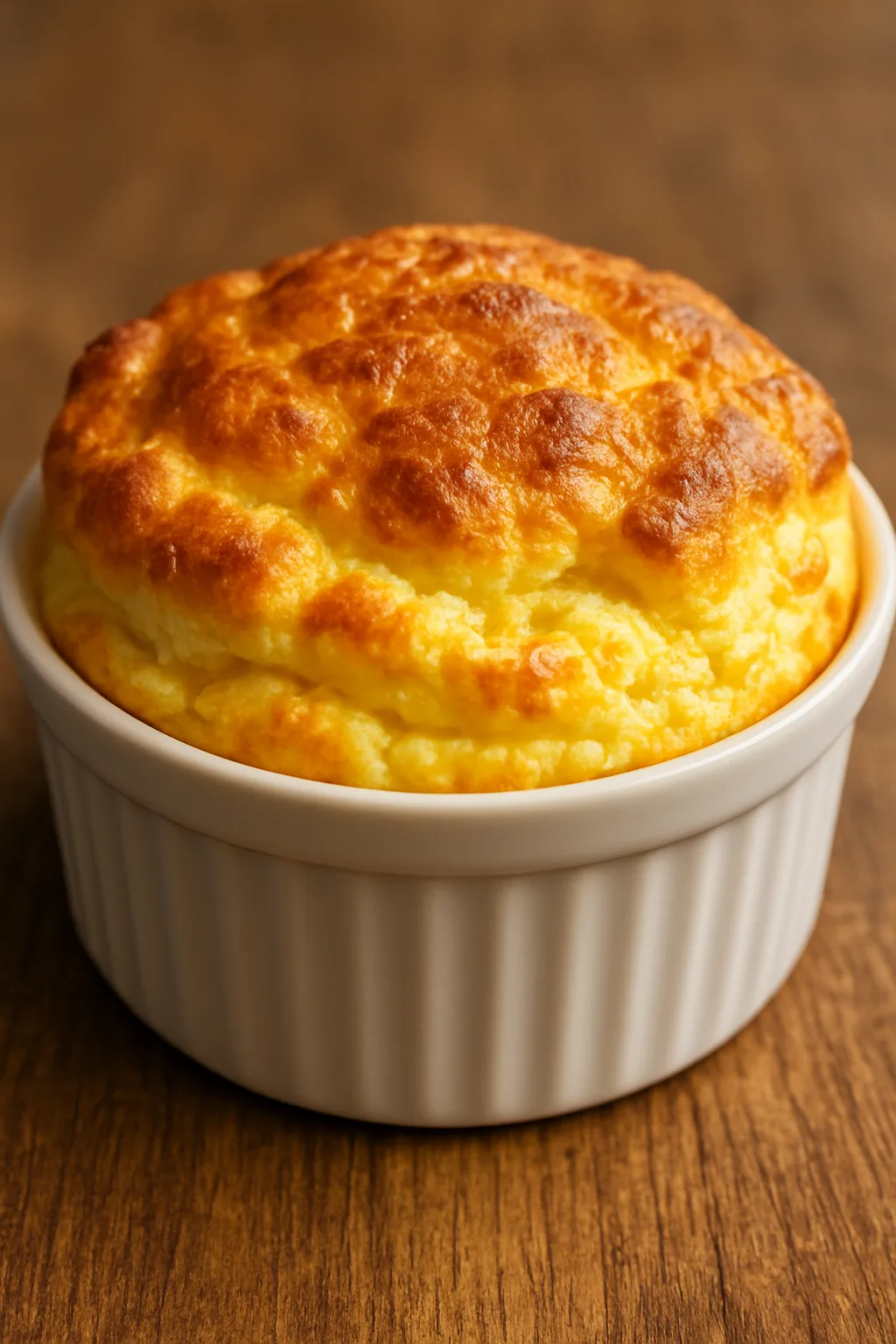
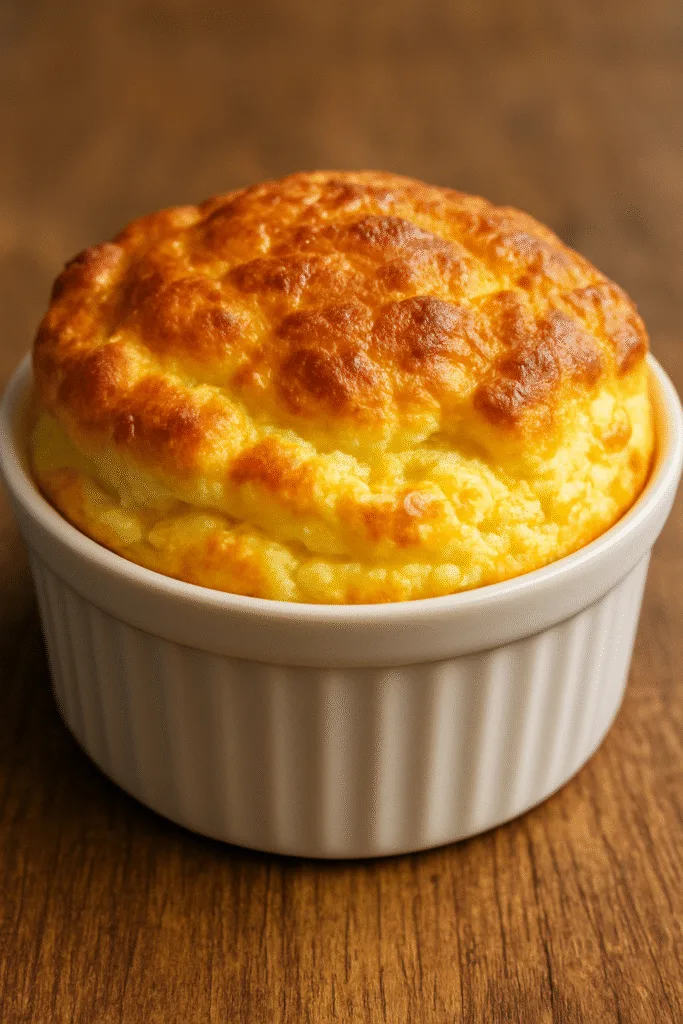
A cheese soufflé is a baked dish made from a flavorful base—usually a béchamel sauce enriched with cheese—combined with whipped egg whites to give it its characteristic light and airy texture. The mixture is baked in a tall, round dish called a ramekin, where it rises dramatically, creating a golden dome on top.
The term “soufflé” comes from the French word souffler, meaning “to blow” or “to inflate,” a perfect description of what happens in the oven. Despite its reputation for being challenging, the process is actually straightforward with careful attention to detail.
A Brief History of the Cheese Soufflé
The soufflé emerged in the early 18th century in France, during a time when culinary innovation was flourishing. The technique of whipping egg whites to create volume transformed many traditional recipes—and the soufflé was born. By the 19th century, the soufflé had become a hallmark of fine dining and French haute cuisine.
While the original versions were sweet, savory soufflés quickly became popular, with the cheese soufflé standing out as one of the most beloved. Today, it appears on menus around the world and remains a favorite dish for both casual and gourmet cooks.
The Science Behind a Perfect Cheese Soufflé
Understanding the mechanics of a cheesy soufflé helps you achieve consistent, impressive results.
1. The Base (Béchamel Sauce)
This is the structural foundation of the soufflé. It provides richness and flavor and helps the mixture hold its shape.
2. The Cheese
Classic choices include:
- Gruyère
- Comté
- Cheddar (for a more accessible variation)
The cheese must melt well and provide strong flavor.
3. Whipped Egg Whites
These are the engine of the soufflé. When whipped, egg whites trap air, giving the soufflé its lift. When heated, the air expands, causing the dish to rise.
4. Gentle Folding
Mixing the whites into the base must be done lightly to avoid deflating them.
5. Proper Heat
A well-heated oven ensures the soufflé rises quickly and evenly.
Why the Cheese Soufflé Collapses (and How to Prevent It)
Many cooks fear that their cheese soufflé will collapse after baking. While all soufflés deflate slightly once removed from the oven, there are ways to ensure it stays tall long enough to impress your guests.
Common Reasons for Collapse
- Under-whipped or over-whipped egg whites
- Opening the oven too early
- Heavy ingredients that weigh down the mixture
- Insufficient oven temperature
Tips to Prevent Collapse
- Whip egg whites to soft peaks—not stiff peaks
- Preheat the oven thoroughly
- Avoid opening the oven door for the first 20 minutes
- Serve immediately after baking
Why a Cheese Soufflé Is Worth Making
Aside from being delicious and visually stunning, a cheese soufflé is:
- A surprisingly affordable gourmet dish
- High in protein
- Easy to customize with herbs and spices
- Perfect for brunch, dinner, or special occasions
Once you master it, you’ll find it becomes a reliable recipe for impressing guests without much effort.
Ingredients for the Perfect Cheese Soufflé
Below is the classic recipe that produces a beautifully risen, golden, flavorful cheese soufflé every time.
Ingredients (Serves 4)
- 4 tablespoons butter
- 4 tablespoons flour
- 1½ cups milk (warm)
- 1 cup grated Gruyère or strong cheddar
- 4 large eggs, separated
- 1 teaspoon Dijon mustard
- Salt and black pepper
- Pinch of nutmeg
- Butter for coating the dish
- 2 tablespoons grated Parmesan (for the dish)
Step-by-Step Recipe: How to Make the Perfect Cheese Soufflé
1. Prepare the Ramekin
- Preheat your oven to 200°C (390°F).
- Butter a large soufflé dish or several small ramekins.
- Sprinkle the inside with Parmesan to help the soufflé climb upward while baking.
2. Make the Béchamel Base
- Melt butter in a saucepan.
- Add flour and whisk for 1 minute.
- Slowly pour in warm milk, whisking until thick and smooth.
- Season with mustard, nutmeg, salt, and pepper.
3. Add the Cheese
- Remove the mixture from heat.
- Add your grated cheese and stir until melted.
- Let the mixture cool for a few minutes.
4. Add Egg Yolks
- Mix yolks into the warm (not hot) base.
This creates a rich, creamy mixture.
5. Whip the Egg Whites
- Beat egg whites to soft peaks.
They should hold shape but still be glossy.
6. Fold the Whites Into the Base
- Add a small amount of the whites to lighten the mixture.
- Gently fold the rest, using slow, sweeping motions.
Do not stir vigorously.
7. Bake
- Pour the batter into the prepared dish.
- Bake for 25–30 minutes for a large souffle or 15–18 minutes for small ramekins.
- Do not open the oven early.
8. Serve Immediately
Soufflés wait for no one!
Expert Tips for a High, Fluffy Cheese Soufflé
Use Room-Temperature Eggs
This produces a more stable foam.
Choose the Right Cheese
Gruyère is classic, but aged cheddar adds a deeper flavor.
Make Individual Soufflés
They rise faster and more evenly.
Experiment With Seasonings
Try:
- Thyme
- Chives
- Smoked paprika
- Truffle oil (a luxurious upgrade)
Delicious Variations of Cheese Soufflé
While the classic recipe is perfect, here are some creative versions:
1. Spinach Cheese Soufflé
Add sautéed spinach to the base.
2. Blue Cheese Soufflé
For bold flavor lovers.
3. Smoked Gouda Soufflé
Adds a deep, smoky richness.
4. Garlic and Herb Soufflé
Fragrant and aromatic.
5. Low-Carb Soufflé
Replace flour with almond flour or omit entirely for a lighter result.
What to Serve With a Cheese Soufflé
A cheese soufflé pairs well with light, fresh sides that balance its richness:
- Green salad with lemon vinaigrette
- Roasted vegetables
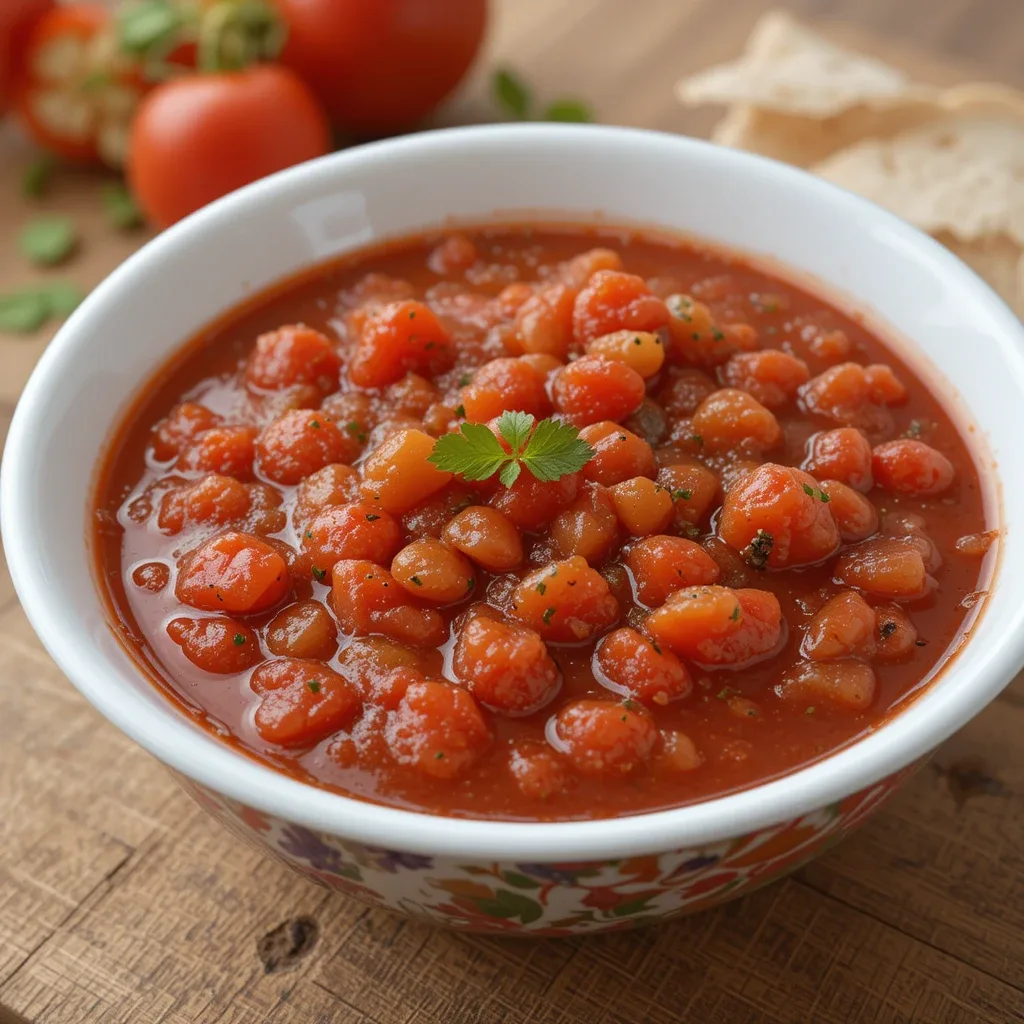
- Tomato bisque
- Fresh baguette
- White wine (Sauvignon Blanc, Chardonnay)
Is Cheese Soufflé Healthy?
Compared to many gourmet dishes, cheese soufflé is relatively balanced.
It contains:
- High-quality proteins
- Calcium from cheese
- Minimal carbohydrates
To make it lighter:
- Use low-fat milk
- Reduce the cheese amount
- Serve with vegetables
Frequently Asked Questions About Cheese Soufflé
1. Can I Make Cheese Soufflé Ahead of Time?
You can assemble the base ahead of time, but the egg whites must be folded in just before baking.
2. Why Did My Soufflé Not Rise?
It could be due to:
- Overmixed batter
- Deflated egg whites
- Low oven temperature
3. What Is the Best Cheese for a Cheese Soufflé?
Gruyère remains the most traditional and reliable.
4. Can I Reheat a Soufflé?
It won’t be as airy, but you can warm it briefly in the oven.
Conclusion: Master the Art of the Cheese Soufflé
A perfectly made cheese soufflé is more than a recipe—it is a culinary achievement. Its tall rise, golden crust, and creamy center make it a show-stopping dish that any home cook can master with the right techniques.
Whether you’re preparing it for a family dinner, a brunch, or a special celebration, the cheese soufflé brings elegance, flavor, and satisfaction to the table.





Leave a Reply