the Benefits of Kito Rice: A Healthy, Low-Carb Alternative
Rice is a staple food in many cultures, offering versatility and comfort in countless dishes. However, traditional rice can be high in carbohydrates, making it unsuitable for some dietary needs. Enter Kito rice, a revolutionary low-carb alternative that preserves the texture and taste of regular rice while offering numerous health benefits. This guide will explore everything you need to know about Kito rice, from its nutritional profile to recipes and environmental impact.
What is Kito Rice?
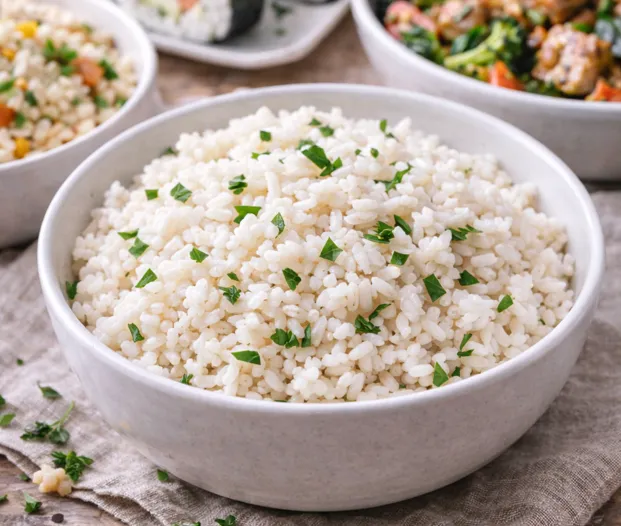
Kito rice is a modern, low-carb alternative to traditional rice. It is created through innovative farming practices and nutritional science, allowing it to retain the familiar texture and taste of regular rice but with a significantly reduced carbohydrate content. Ideal for individuals on low-carb or ketogenic diets, Kito-rice is a healthier choice, offering essential nutrients that make it a more balanced option than traditional rice.
The Evolution and History of Kito Rice
The creation of Kito-rice was driven by the growing demand for healthier and more sustainable food options. Over the years, rice cultivation has evolved to address health concerns and environmental sustainability. Kito-rice emerged as a versatile ingredient that offers a nutritious alternative to conventional rice, adapting to modern dietary needs.
Health Benefits of Kito Rice
Kito rice comes with an array of health benefits that make it an attractive option for many, especially those managing specific health conditions. Here are some key benefits:
1. Low Glycemic Index
Kito-rice helps regulate blood sugar levels, making it an excellent choice for diabetics and those seeking to maintain stable energy levels.
2. Rich in Essential Nutrients
Packed with vitamins and minerals, Kito rice offers crucial nutrients that contribute to overall health and well-being.
3. Weight Loss Friendly
Due to its low-carb content, Kito-rice supports weight management by providing a filling, low-calorie option for those on a calorie-controlled diet.
4. Gluten-Free
Safe for individuals with gluten intolerance or celiac disease, Kito-rice offers a delicious, gluten-free alternative to traditional rice.
How to Cook Kito-Rice
Cooking Kito rice is straightforward and similar to preparing traditional rice. Here are some helpful tips for the best results:
Basic Cooking Instructions:
Rinse the rice thoroughly before cooking.
Use a 1:2 ratio of rice to water for optimal results.
Tips for Perfect Texture:
Soak the rice for 20 minutes before cooking to improve its texture.
Common Mistakes to Avoid:
Avoid overcooking Kito rice, as it can become mushy.
Cooking Methods:
Steaming: Preserves nutrients and enhances texture.
Boiling: Quick and easy, but keep an eye on the cooking time.
Stir-Frying: Adds flavor and allows you to combine it with a variety of vegetables and proteins.
Popular Kito Rice Recipes
Here are some easy and delicious recipes to incorporate Kito rice into your meals:
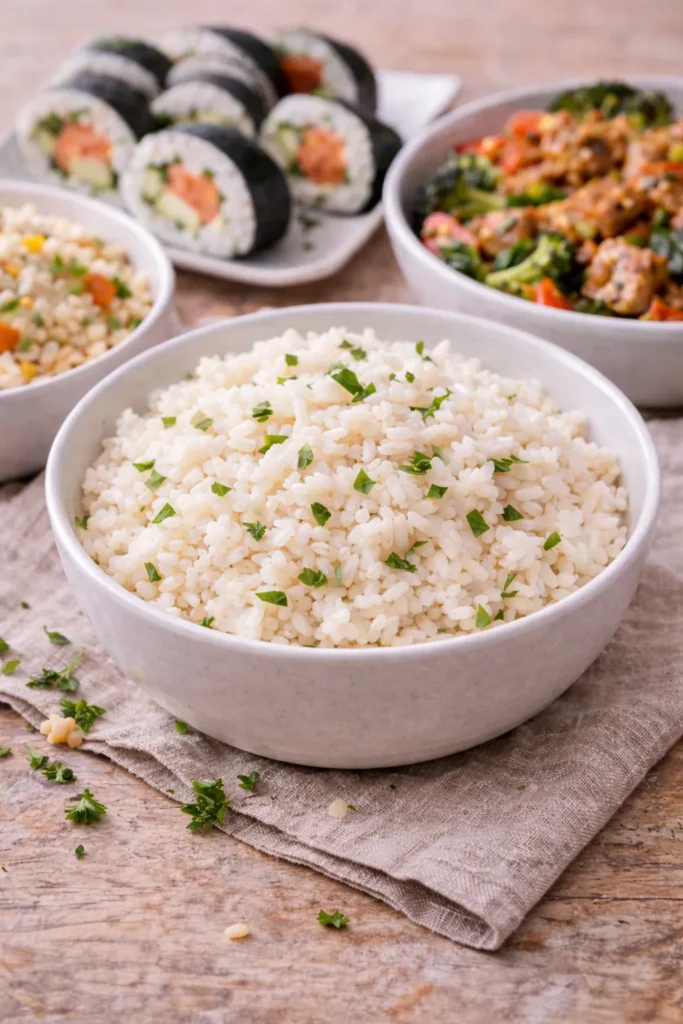
Rice Pilaf
A flavorful, aromatic dish perfect for any meal.
Rice Sushi
A healthy twist on traditional sushi using Kito-rice.
Rice Pudding
A sweet, low-carb dessert that’s sure to satisfy your cravings.
Stir-Fry with Kito-Rice
A quick and nutritious meal that’s easy to prepare with your favorite vegetables and proteins.
How Kito Rice Fits into Different Cuisines
Kito rice is adaptable to various cuisines, making it a great addition to traditional dishes:
Asian Cuisine
Use Kito-rice for sushi, stir-fries, and curries, providing a nutritious alternative to white rice.
Mediterranean Cuisine
Incorporate Kito-rice into pilafs, salads, and as a side dish with grilled meats.
African Cuisine
Substitute traditional rice in dishes like jollof rice and stews, adding a healthier twist.
Fusion Dishes
Get creative with Kito rice in fusion recipes that combine diverse culinary influences.
How Does Kito-Rice Compare to Other Rice Alternatives?
Kito-Rice vs. Cauliflower Rice
Kito-rice is lower in carbs than cauliflower rice but offers a similar texture and versatility. However, it maintains a more traditional rice-like flavor.
Kito-Rice vs. Quinoa
While quinoa is higher in protein, Kito rice is lower in carbs, making it more suitable for those on low-carb or ketogenic diets.
Kito Rice vs. Shirataki Rice
Shirataki rice is extremely low in carbs but has a unique, chewy texture. Kito-rice, on the other hand, provides a more traditional texture.
Environmental Impact of Kito-Rice
Kito-rice is produced using sustainable farming practices that have a positive impact on the environment:
Sustainable Farming
Kito rice farming uses fewer pesticides and less water compared to traditional rice farming.
Impact on Biodiversity
By supporting diverse ecosystems, Kito-rice farming contributes to healthier agricultural practices.
Water Usage
Kito-rice requires significantly less water than traditional rice cultivation, making it a more environmentally-friendly option.
Market Trends and Availability
As more people seek healthier, low-carb, and gluten-free options, the demand for Kito-rice continues to rise. Here’s what you need to know:
Popular Brands
Kito rice is available from various health food brands and can be purchased online.
Growing Market Demand
The growing interest in low-carb and gluten-free diets has led to an increase in the availability of Kito-rice.
Availability
You can find Kito rice in health food stores, supermarkets, and online retailers, making it accessible to many.
Frequently Asked Questions (FAQs)
What is the difference between Kito-rice and traditional rice?
Kito-rice is lower in carbohydrates and higher in essential nutrients compared to regular rice.
Is Kito rice suitable for diabetics?
Yes, Kito-rice has a low glycemic index, making it an excellent choice for diabetics.
How does Kito-rice taste compared to regular rice?
Kito-rice has a similar texture and flavor to regular rice but with a slightly nuttier taste.
Can I use Kito-rice in all rice-based recipes?
Yes, Kito-rice can be used as a substitute for regular rice in most recipes.
Where can I buy Kito-rice?
Kito rice is available at health food stores and through various online retailers.
Recipe Card: Easy Stir-Fry with Kito Rice
Here’s a simple and nutritious recipe to try with Kito-rice:
Ingredients:
1 cup Kito rice
1 tablespoon olive oil
1 cup mixed vegetables (bell peppers, broccoli, carrots)
1/2 cup cooked chicken or tofu
2 tablespoons soy sauce (or tamari for gluten-free)
1 teaspoon sesame oil
1 tablespoon chopped green onions
Instructions:
Cook the Kito rice according to the basic cooking instructions.
Heat olive oil in a large pan over medium heat.
Add mixed vegetables and stir-fry for 5-7 minutes until tender.
Add cooked chicken or tofu, and cook for another 2 minutes.
Stir in the cooked Kito-rice, soy sauce, and sesame oil.
Top with chopped green onions before serving.
Enjoy your healthy stir-fry with Kito rice!
Conclusion
Kito rice offers a delicious, healthy, and sustainable alternative to traditional rice. With its low-carb content and numerous health benefits, it’s a fantastic option for those looking to improve their diet. Whether you’re following a low-carb or gluten-free diet or simply want a healthier rice alternative, Kito-rice is an excellent addition to your meals. Start experimenting with Kito-rice today and experience the versatility and health benefits it brings to your cooking.