
Table of Contents
- Introduction
- What Is a Plant-Based Diet?
- Improved Heart Health
- Better Weight Management
- Lower Risk of Chronic Diseases
- Improved Digestion and Gut Health
- Higher Intake of Essential Nutrients
- Better Blood Sugar Control
- Reduced Inflammation
- Stronger Immune System
- Improved Energy Levels
- Better Skin and Hair Health
- Environmental Benefits
- Ethical and Animal Welfare Benefits
- Plant-Based Diet and Longevity
- Tips for Transitioning to a Plant-Based Diet
- Common Myths About Plant-Based Eating
- Conclusion
Perfect Your Culinary Art! Oliver Agour’s Innovative E-Books Are HERE!
Are you ready to take your modern cooking to the next level? Whether you’re following viral culinary trends or focusing on healthy cooking and quick recipes, Oliver Agour’s ebook collection is your essential guide to cooking smarter and more efficiently.
1. 20 TikTok-Style Recipes: Cook What’s Viral!
Unlock the secrets behind trending recipes and create eye-catching dishes that look spectacular and are ready in just minutes. This digital cooking guide is perfect for:
Content creators (Food Bloggers)
Food enthusiasts
Busy cooks looking for quick meal ideas
➤ Download now: https://oliveragour.gumroad.com/l/20-TikTok-Style-Recipes
2. From To Yogurt: Your Homemade Yogurt Masterclass
Transform a simple ingredient into a culinary masterpiece! This complete course gives you the exact steps for making homemade yogurt (from scratch) and reveals a wide range of creative yogurt-based recipes you won’t find anywhere else.
➤ Get it here: https://oliveragour.gumroad.com/l/FromToYogurt
1. Introduction
A plant-based diet focuses on foods that come from plants, including vegetables, fruits, whole grains, legumes, nuts, and seeds. While some people follow a completely vegan lifestyle, others choose a more flexible approach, simply increasing the amount of plant foods while reducing animal products. The benefits of plant-based diets are widely supported by scientific research and include improvements in health, energy, and overall well-being.
2. What Is a Plant-Based Diet?
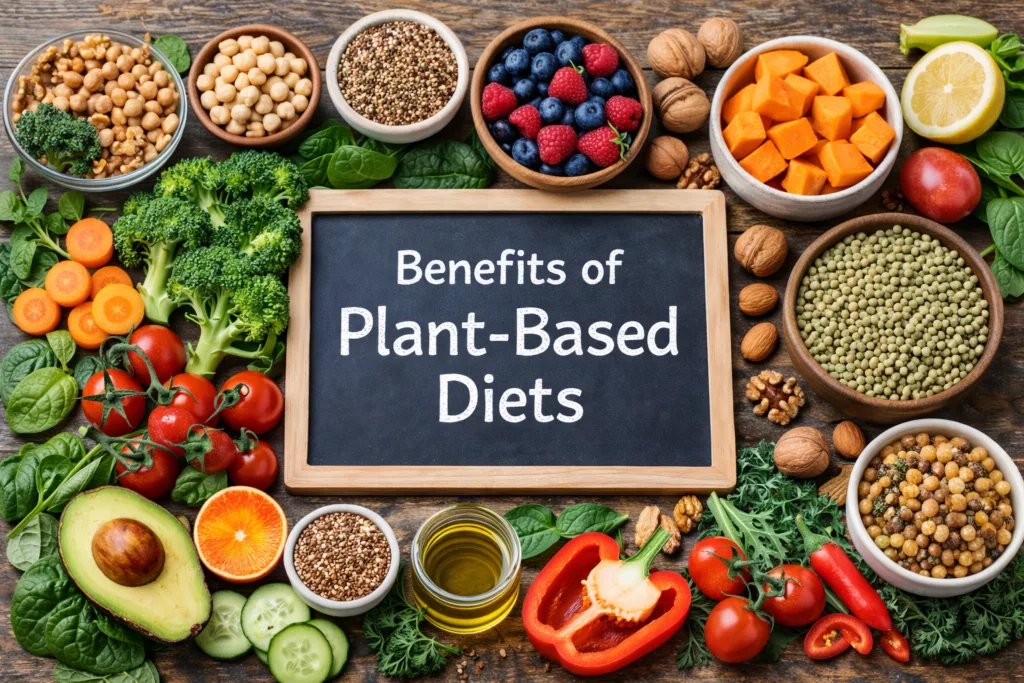
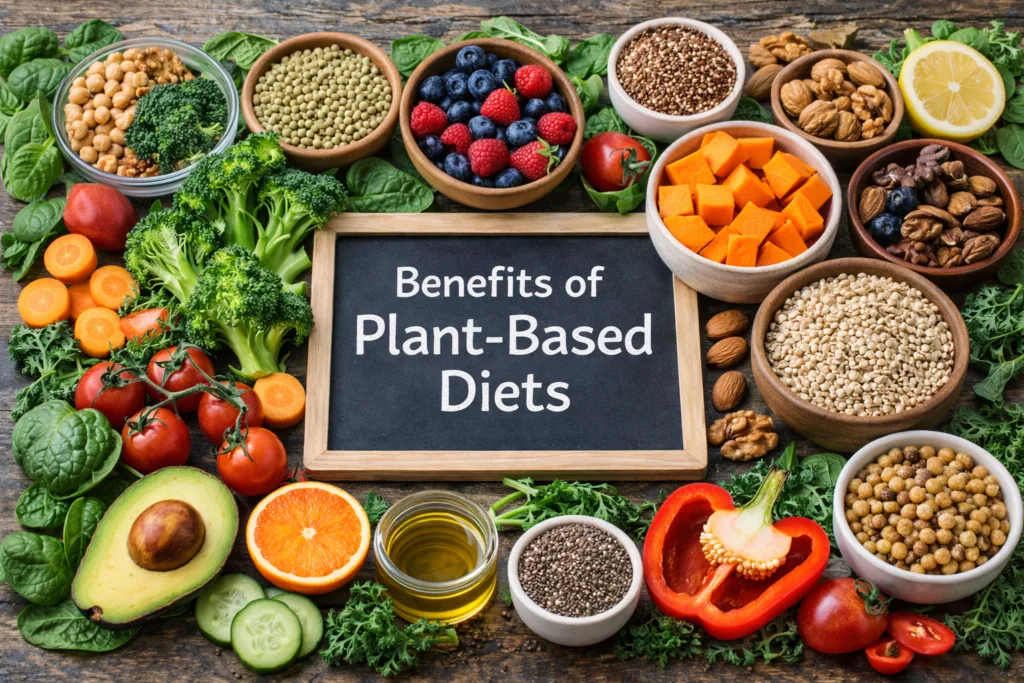
A plant-based diet emphasizes whole, minimally processed plant foods. It may include:
- Vegetables and fruits
- Whole grains
- Beans and lentils
- Nuts and seeds
- Plant-based oils such as olive oil
Some versions allow small amounts of animal products, while others exclude them entirely.
3. Improved Heart Health
One of the most well-known benefits of plant-based diets is better heart health. These diets are naturally low in saturated fat and cholesterol and rich in fiber, antioxidants, and healthy fats, which help:
- Lower blood pressure
- Reduce bad cholesterol (LDL)
- Improve blood vessel function
- Decrease the risk of heart disease and stroke
4. Better Weight Management
Plant-based diets are typically lower in calories and higher in fiber, helping you feel full with fewer calories. This supports:
- Healthy weight loss
- Easier weight maintenance
- Reduced risk of obesity
5. Lower Risk of Chronic Diseases
Studies show that people who follow plant-based diets have a lower risk of:
- Type 2 diabetes
- Certain cancers
- High blood pressure
- Metabolic syndrome
The high intake of antioxidants and anti-inflammatory compounds plays a key role in disease prevention.
6. Improved Digestion and Gut Health
Plant foods are rich in dietary fiber, which:
- Supports regular bowel movements
- Feeds beneficial gut bacteria
- Improves nutrient absorption
- Reduces the risk of digestive disorders
7. Higher Intake of Essential Nutrients
A well-planned plant-based diet provides:
- Vitamins A, C, E, and K
- Folate
- Magnesium
- Potassium
- Phytochemicals that protect cells from damage
8. Better Blood Sugar Control
High-fiber plant foods slow the absorption of sugar into the bloodstream, helping to:
- Stabilize blood sugar levels
- Improve insulin sensitivity
- Reduce the risk of diabetes
9. Reduced Inflammation
Many plant foods contain powerful anti-inflammatory compounds that help:
- Reduce joint pain
- Lower the risk of inflammatory diseases
- Support overall recovery and wellness
10. Stronger Immune System
Fruits and vegetables are rich in vitamins, minerals, and antioxidants that strengthen the immune system and help the body fight infections more effectively.
11. Improved Energy Levels
Because plant-based diets are rich in complex carbohydrates and micronutrients, they provide:
- Steady energy throughout the day
- Less fatigue
- Better physical performance
12. Better Skin and Hair Health
The vitamins, minerals, and healthy fats found in plant foods support:
- Clearer skin
- Stronger hair
- Improved hydration
- Reduced signs of aging
13. Environmental Benefits
Plant-based diets have a lower environmental impact by:
- Reducing greenhouse gas emissions
- Using less water
- Requiring less land
- Preserving natural ecosystems
14. Ethical and Animal Welfare Benefits
Choosing more plant-based meals reduces demand for industrial animal farming and supports more humane food systems.
15. Plant-Based Diet and Longevity
Research suggests that populations with diets rich in plant foods tend to live longer and have lower rates of chronic disease, supporting healthy aging.
16. Tips for Transitioning to a Plant-Based Diet
- Start with one plant-based meal per day
- Experiment with new recipes
- Replace meat with beans, lentils, or tofu
- Focus on whole foods rather than processed alternatives
17. Common Myths About Plant-Based Eating
- Myth: You can’t get enough protein.
Truth: Beans, lentils, tofu, nuts, seeds, and whole grains provide ample protein. - Myth: Plant-based diets are boring.
Truth: They offer a wide variety of flavors, colors, and cuisines.
18. Conclusion
The benefits of plant-based diets go far beyond simple nutrition. They support heart health, digestion, weight management, immunity, and longevity while also benefiting the environment and animal welfare. Whether you choose to go fully plant-based or simply add more plant foods to your meals, embracing this way of eating can be a powerful step toward a healthier, more balanced life.